Critical Infrastructure Protection and Defense Resilience

Critical Infrastructure Protection and Defense Resilience

Overview:

Critical infrastructure forms the backbone of national security, economic stability, and military readiness. From energy production and transportation networks to military installations, communications systems, logistics hubs, and defense industrial facilities, these assets are increasingly targeted by sophisticated adversaries employing hybrid warfare tactics that combine physical attacks, cyber operations, sabotage, disinformation, and insider threats.

This course provides defense and security professionals with a comprehensive understanding of Critical Infrastructure Protection (CIP) and Defense Critical Infrastructure (DCIP) principles, equipping participants with the knowledge and practical skills required to identify vulnerabilities, assess risks, and develop resilient protection strategies. Emphasis is placed on safeguarding infrastructure essential to national defense while ensuring continuity of operations during crises and armed conflict.

Participants will explore internationally recognized protection frameworks, NATO concepts, and lessons learned from recent conflicts to develop integrated security approaches that strengthen organizational resilience and mission assurance.

Designed for military commanders, security managers, government officials, emergency planners, and critical infrastructure operators, this course bridges strategic planning with practical implementation to enhance national preparedness against evolving multi-domain threats.

Why This Course Matters:

The nature of conflict has evolved beyond conventional military engagements. Modern adversaries increasingly seek to weaken nations by disrupting the critical infrastructure that supports military operations, governmental functions, and civilian life. Attacks against power grids, fuel depots, logistics centers, communication networks, transportation systems, and industrial facilities have demonstrated how infrastructure has become a primary target in contemporary warfare.

Hybrid threats often exploit the interdependence of critical systems, where disruption of a single asset can create cascading effects across multiple sectors. As a result, infrastructure protection is no longer solely an engineering or security function—it is a strategic defense capability.

Developing resilient infrastructure requires an integrated approach that combines physical security, cyber resilience, intelligence, emergency management, business continuity, and interagency coordination. Organizations must not only prevent attacks but also maintain essential functions, recover rapidly, and adapt to evolving threats.

This course enables participants to understand these complex challenges and implement effective protection measures that enhance operational resilience under both peacetime and wartime conditions.

Upon completion of this course, participants will be able to:

  • Understand the principles of Critical Infrastructure Protection (CIP) and Defense Critical Infrastructure (DCIP).
  • Identify critical assets and evaluate their strategic importance.
  • Conduct comprehensive infrastructure risk and vulnerability assessments.
  • Analyze physical, cyber, insider, and hybrid threats.
  • Develop layered security concepts for critical facilities.
  • Integrate resilience and continuity planning into infrastructure protection.
  • Apply NATO and international best practices for infrastructure security.
  • Improve coordination between military, government, and private-sector stakeholders.
  • Strengthen organizational preparedness and crisis response capabilities.

Key Topics

Critical Infrastructure Protection

Military Infrastructure Protection

Integrated Security Systems

International Frameworks

  • National critical infrastructure concepts
  • Defense Critical Infrastructure (DCIP)
  • Critical asset identification
  • Risk-based protection planning
  • Infrastructure interdependencies
  • Ammunition depots
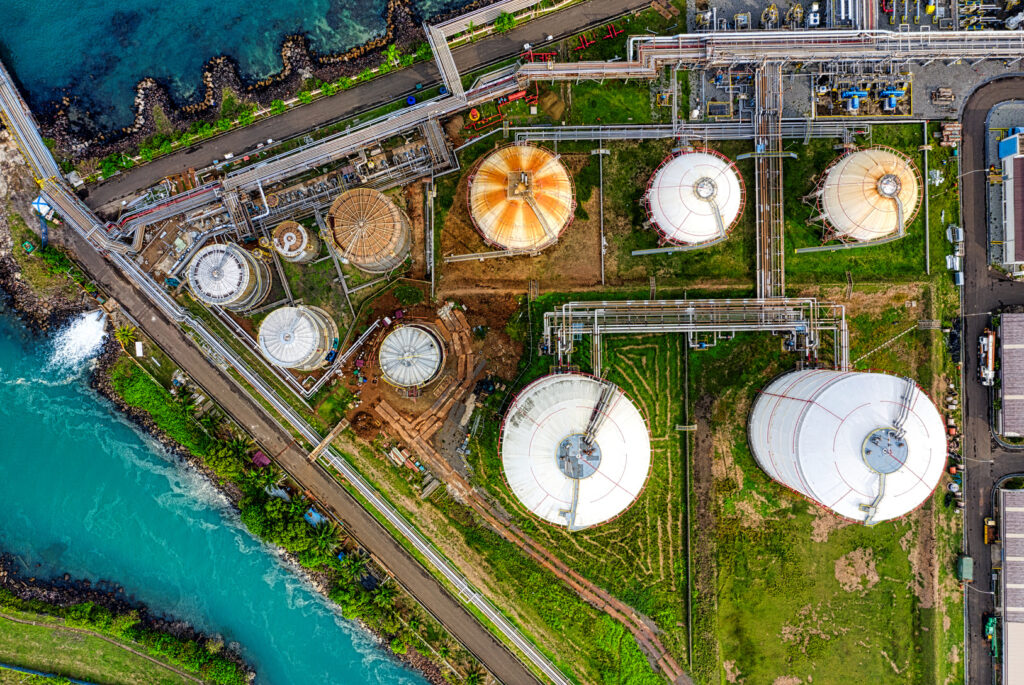
  • Fuel storage facilities
  • Logistics hubs
  • Communication centers
  • Command and control facilities
  • Perimeter protection
  • Surveillance technologies
  • Access control systems
  • Intrusion detection
  • Security Operations Centers (SOC)
  • NATO infrastructure protection concepts
  • Critical infrastructure resilience
  • Public-private cooperation
  • Security governance
  • Risk management methodologies

Practical Training:

Participants will engage in realistic planning exercises that simulate attacks against strategic infrastructure under hybrid threat conditions.

Practical activities include:

  • Critical infrastructure mapping and prioritization
  • Facility vulnerability assessments
  • Hybrid attack scenario analysis
  • Multi-layer security design workshops
  • Crisis management exercises
  • Continuity of operations planning
  • Interagency coordination simulations
  • Decision-making under operational pressure

Tabletop exercises encourage collaboration between military, civilian, and private-sector stakeholders to develop coordinated responses to complex infrastructure incidents.

Practical Training:

  • Protection of critical infrastructure during the Russia–Ukraine conflict
  • Hybrid attacks against European energy infrastructure
  • Security of fuel depots and logistics facilities in modern conflicts
  • NATO approaches to infrastructure resilience
  • Critical infrastructure protection in the Gulf region

Why Kuantum Training

Kuantum provides advanced Critical Infrastructure Protection training by combining military expertise, international best practices, and operational experience. Through scenario-based learning and real-world case studies, participants develop practical strategies to strengthen resilience, protect critical assets, and ensure operational continuity in today’s evolving security environment.

courses

our courses

Power Plant Protection

Power Plant Protection Overview: Power generation facilities are among the most critical assets supporting national security, economic stability,