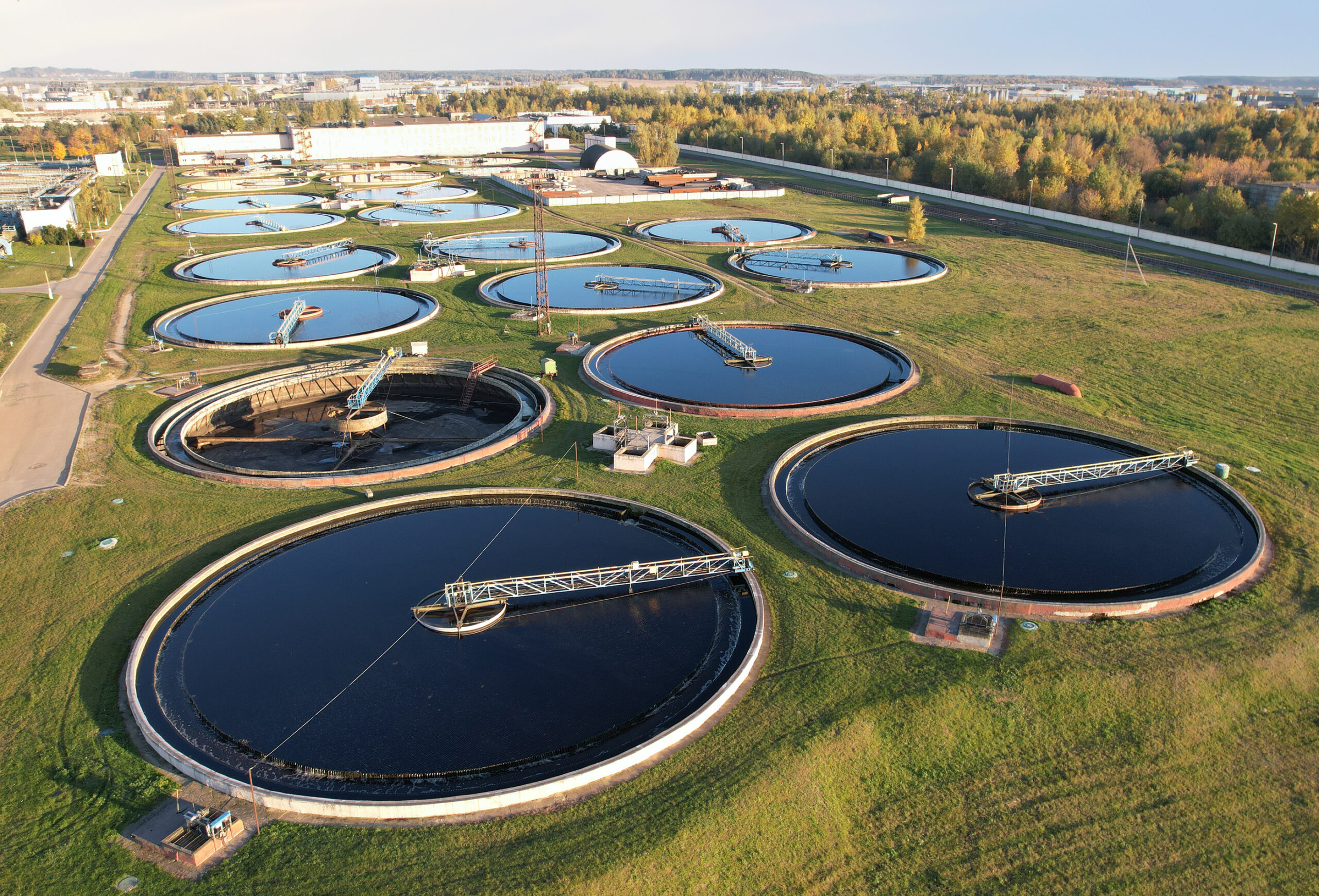
Water Desalination Plant Protection
Water Desalination Plant Protection Overview: Freshwater availability is increasingly recognized as a strategic national security issue. In many

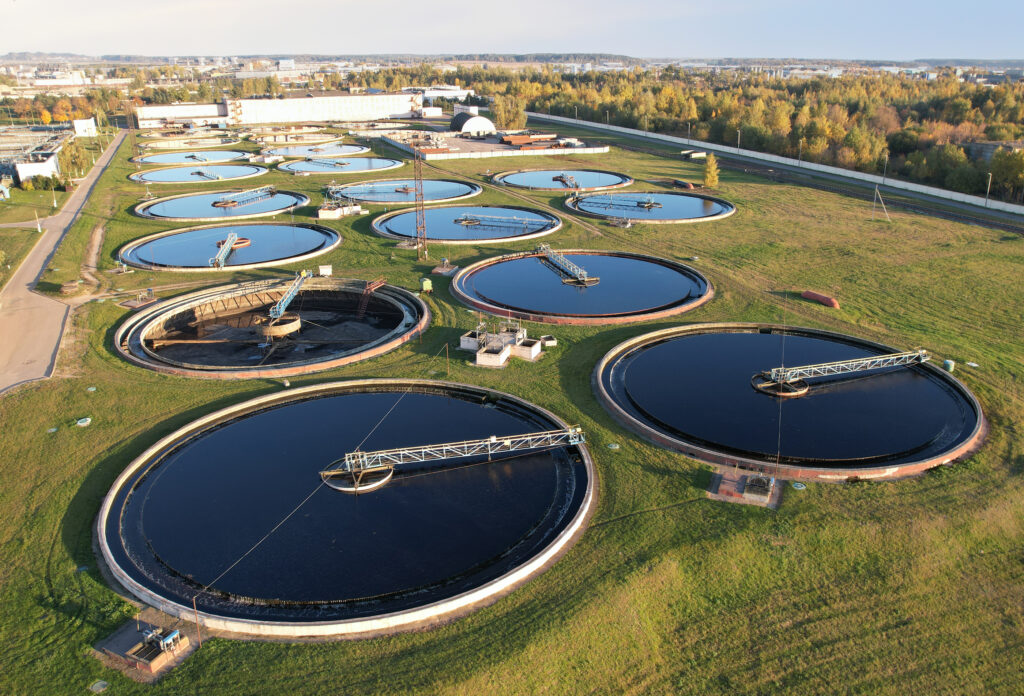
Freshwater availability is increasingly recognized as a strategic national security issue. In many regions, particularly the Middle East, North Africa, and other water-scarce environments, desalination plants provide the majority of potable water and are considered critical national infrastructure. Any disruption to these facilities can have immediate humanitarian, economic, and military consequences.
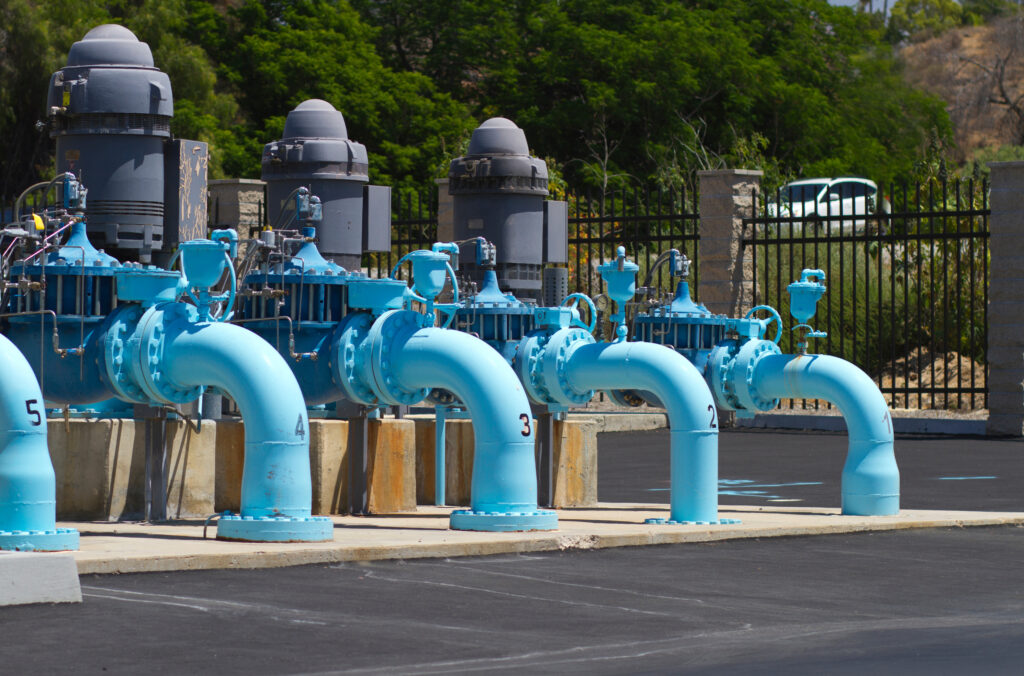
This course provides defense, homeland security, and critical infrastructure professionals with a comprehensive understanding of the security challenges associated with desalination facilities. Participants will explore how to develop integrated protection strategies that safeguard water production, storage, transmission, and supporting infrastructure against physical attacks, cyber intrusions, insider threats, sabotage, unmanned systems, and hybrid warfare.
Combining international best practices with operational lessons learned, the course examines how governments and infrastructure operators can enhance resilience while maintaining uninterrupted water supply during emergencies, natural disasters, and armed conflict.
Designed for military engineers, infrastructure operators, government agencies, and security professionals, this program offers practical guidance for protecting one of the most indispensable components of national resilience.
Water has become one of the world’s most strategically valuable resources. Rapid urbanization, climate change, population growth, and regional instability have increased dependence on desalination technology, particularly in countries where freshwater resources are limited.
Because desalination plants often supply water to major cities, military installations, airports, ports, industrial zones, and energy facilities, they have become attractive targets for hostile actors seeking to create widespread disruption.
Recent geopolitical tensions have demonstrated that attacks against critical infrastructure may involve coordinated physical sabotage, cyberattacks against industrial control systems, drone incursions, or insider threats. Even short-term operational interruptions can significantly impact public health, emergency services, economic activity, and national security.
Protecting desalination facilities therefore requires far more than perimeter security. Effective protection demands an integrated, risk-based approach that combines physical security, cybersecurity, operational resilience, emergency planning, and interagency coordination.
Strategic Importance of Water Infrastructure | Threat Assessment | Physical Protection Systems | Operational Resilience |
|
|
|
|
Participants will take part in realistic security planning exercises focused on protecting desalination facilities against complex, multi-domain threats.
Practical activities include:
Scenario-based discussions challenge participants to balance operational continuity with effective security measures while responding to evolving threat conditions.
Kuantum provides advanced Critical Infrastructure Protection training by combining military expertise, international best practices, and operational experience. Through scenario-based learning and real-world case studies, participants develop practical strategies to strengthen resilience, protect critical assets, and ensure operational continuity in today’s evolving security environment.
Water Desalination Plant Protection Overview: Freshwater availability is increasingly recognized as a strategic national security issue. In many
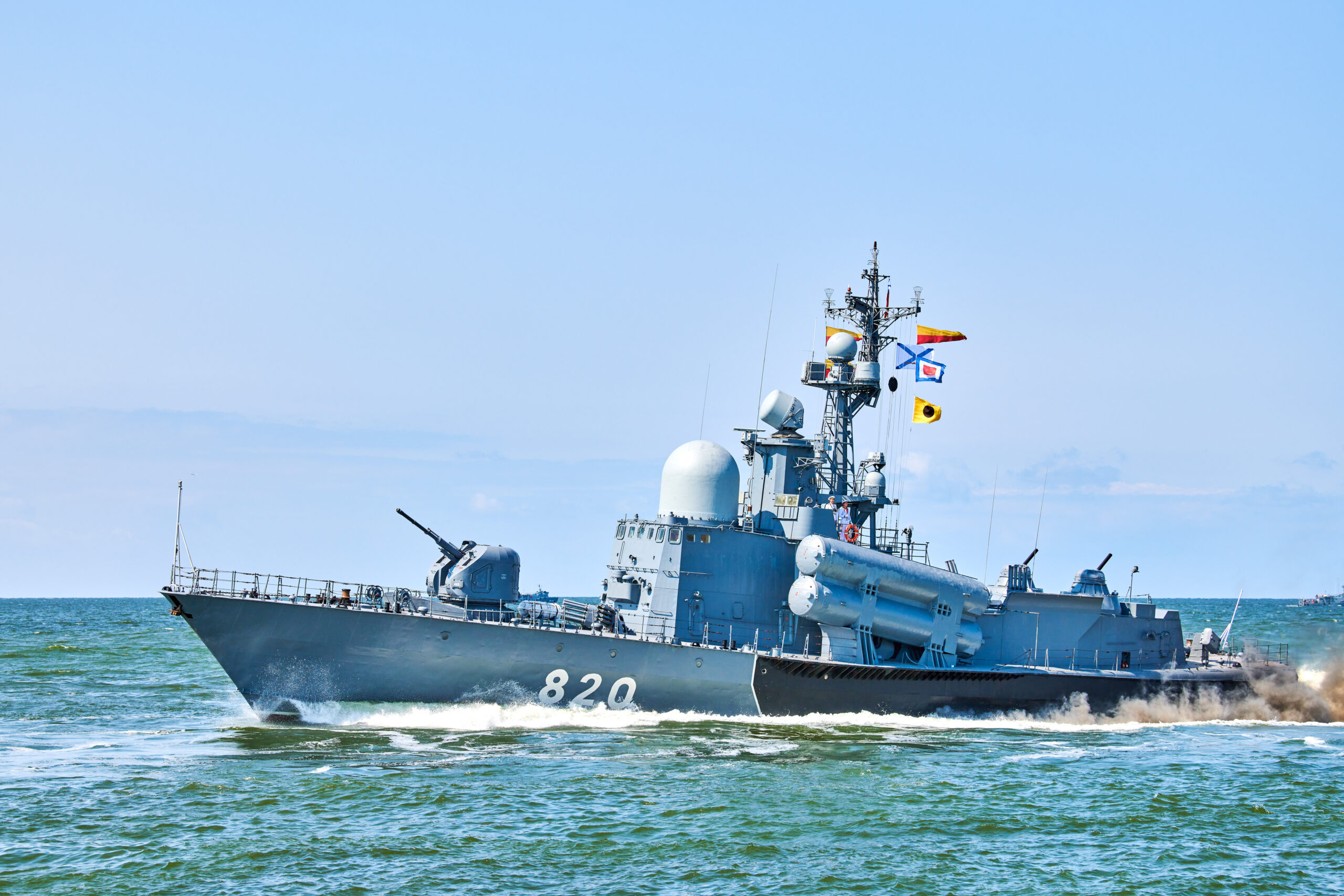
Sea Mine Counter Measures Overview: Naval mines remain one of the most effective and cost-efficient weapons in maritime
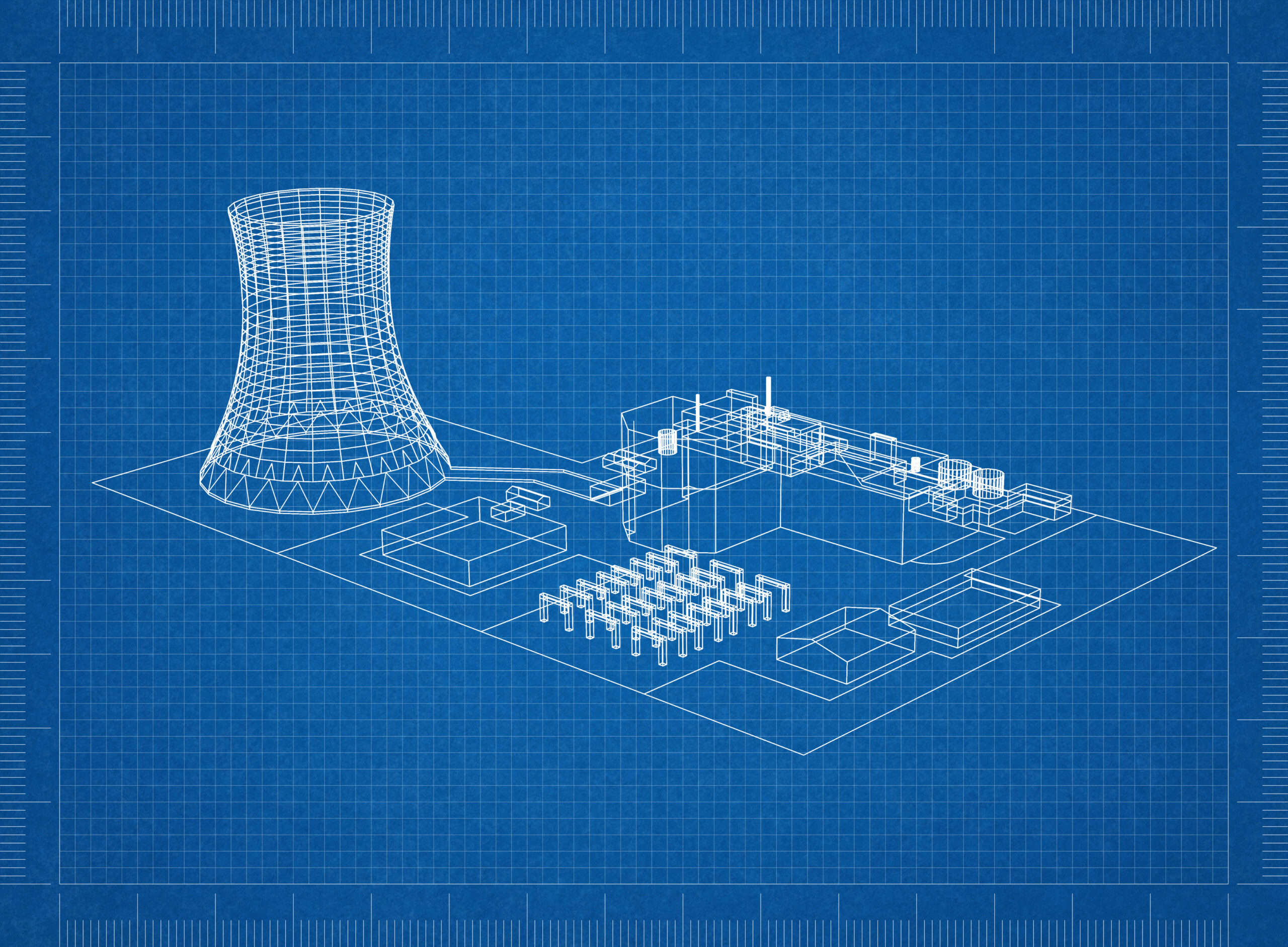
Power Plant Protection Overview: Power generation facilities are among the most critical assets supporting national security, economic stability,

Maritime Domain Awareness and Underwater Threat Detection Overview: The maritime domain has become one of the most strategically
