Power Plant Protection

Power Plant Protection

Overview:

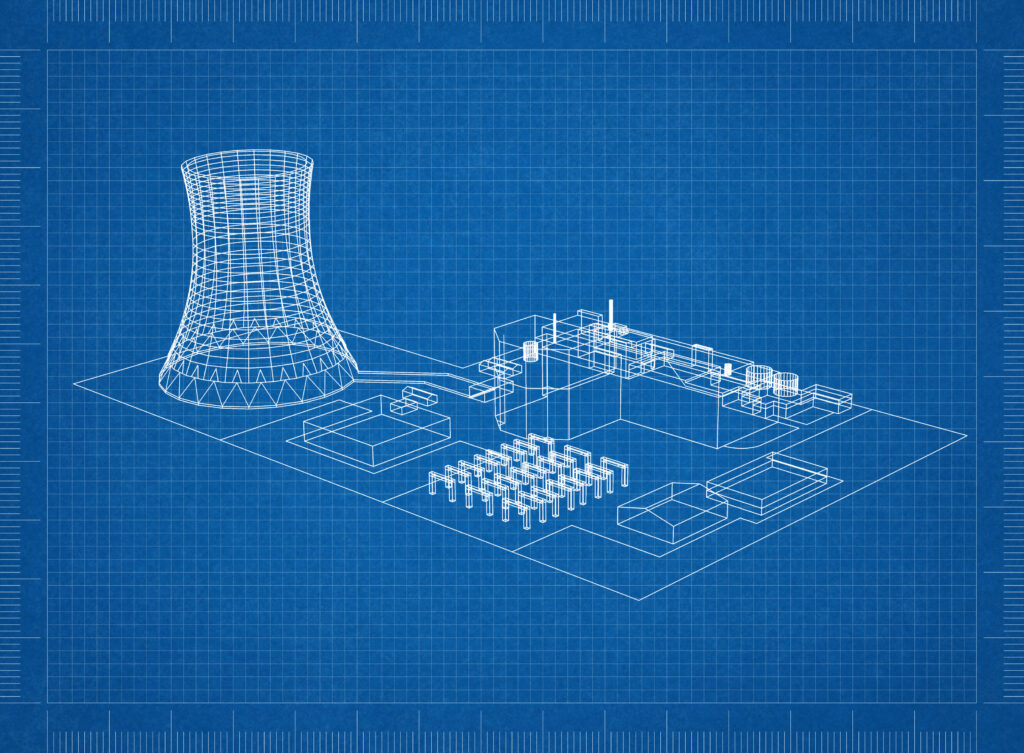
Power generation facilities are among the most critical assets supporting national security, economic stability, and public safety. Military installations, transportation systems, healthcare services, telecommunications, industrial production, and critical government functions all depend on the uninterrupted availability of electrical power. Consequently, power plants have become strategic targets for physical attacks, cyber intrusions, sabotage, insider threats, and hybrid warfare.

This course provides military, government, and critical infrastructure professionals with a comprehensive understanding of modern power plant security, integrating physical protection, industrial cybersecurity, operational resilience, and emergency preparedness into a unified defense strategy.

Participants will examine the unique vulnerabilities of thermal, hydroelectric, nuclear, renewable, and combined-cycle power plants while learning how to develop layered protection concepts that ensure operational continuity during both peacetime and crisis situations.

Designed for security managers, military engineers, energy sector professionals, and decision-makers, this program combines international best practices with practical operational knowledge to strengthen the resilience of one of the nation’s most valuable strategic assets.

Why This Course Matters:

Recent conflicts and cyber incidents have demonstrated that disrupting energy infrastructure can significantly degrade military capabilities, economic activity, and public confidence. Attacks on power generation facilities can rapidly cascade across interconnected infrastructure sectors, affecting transportation, communications, healthcare, water supply, and national defense.

Today’s threats extend beyond conventional physical attacks. Adversaries increasingly employ sophisticated cyber operations targeting Industrial Control Systems (ICS), Supervisory Control and Data Acquisition (SCADA) systems, Operational Technology (OT), and supporting digital infrastructure. In parallel, unmanned aerial systems, insider threats, and coordinated hybrid attacks continue to increase the complexity of protecting power generation facilities.

Effective protection therefore requires an integrated security strategy that combines technology, operational procedures, personnel, and interagency cooperation to maintain safe and reliable power generation under all operating conditions.

Upon completion of this course, participants will be able to:

  • Understand the strategic importance of power generation infrastructure.
  • Identify vulnerabilities affecting modern power plants.
  • Conduct comprehensive security risk assessments.
  • Develop integrated physical and cyber protection strategies.
  • Strengthen the security of Industrial Control Systems (ICS) and Operational Technology
  • Improve emergency preparedness and crisis response.
  • Design business continuity and operational resilience plans.
  • Apply international standards and best practices for energy infrastructure protection.
  • Enhance cooperation between government agencies, military organizations, and utility operators.

Key Topics

Strategic Energy Infrastructure

Threat Assessment

Operational Resilience

Integrated Security Management

  • National energy security
  • Critical infrastructure protection
  • Energy resilience
  • Infrastructure interdependencies
  • Defense support requirements
  • Physical attacks
  • Sabotage
  • Insider threats
  • Terrorism
  • Drone threats
  • Hybrid warfare
  • Business continuity planning
  • Emergency response
  • Disaster recovery
  • Crisis management
  • Redundancy planning
  • Black-start considerations
  • Risk assessment methodologies
  • Security governance
  • Public-private cooperation
  • Regulatory compliance
  • Incident management
  • Continuous improvement

Practical Training:

Participants will participate in realistic exercises focused on protecting power generation facilities against physical, cyber, and hybrid threats.

Practical activities include:

  • Power plant vulnerability assessments
  • Security architecture development
  • Industrial cybersecurity exercises
  • Drone threat response planning
  • Crisis management workshops
  • Emergency response simulations
  • Business continuity planning
  • Incident command exercises
  • Multi-agency coordination scenarios

Through scenario-based workshops, participants will evaluate complex attack scenarios while balancing operational continuity, personnel safety, and infrastructure protection.

Power Plant Protection

Practical Training:

  • Protection of electrical infrastructure during the Russia–Ukraine conflict
  • Cyberattacks targeting electrical utilities and industrial control systems
  • Drone attacks against energy facilities in the Middle East
  • Protection of power generation assets supporting military operations
  • NATO approaches to critical energy infrastructure resilience
  • Recovery planning following large-scale power disruptions

Why Kuantum Training

Kuantum provides advanced Critical Infrastructure Protection training by combining military expertise, international best practices, and operational experience. Through scenario-based learning and real-world case studies, participants develop practical strategies to strengthen resilience, protect critical assets, and ensure operational continuity in today’s evolving security environment.

courses

our courses

Power Plant Protection

Power Plant Protection Overview: Power generation facilities are among the most critical assets supporting national security, economic stability,