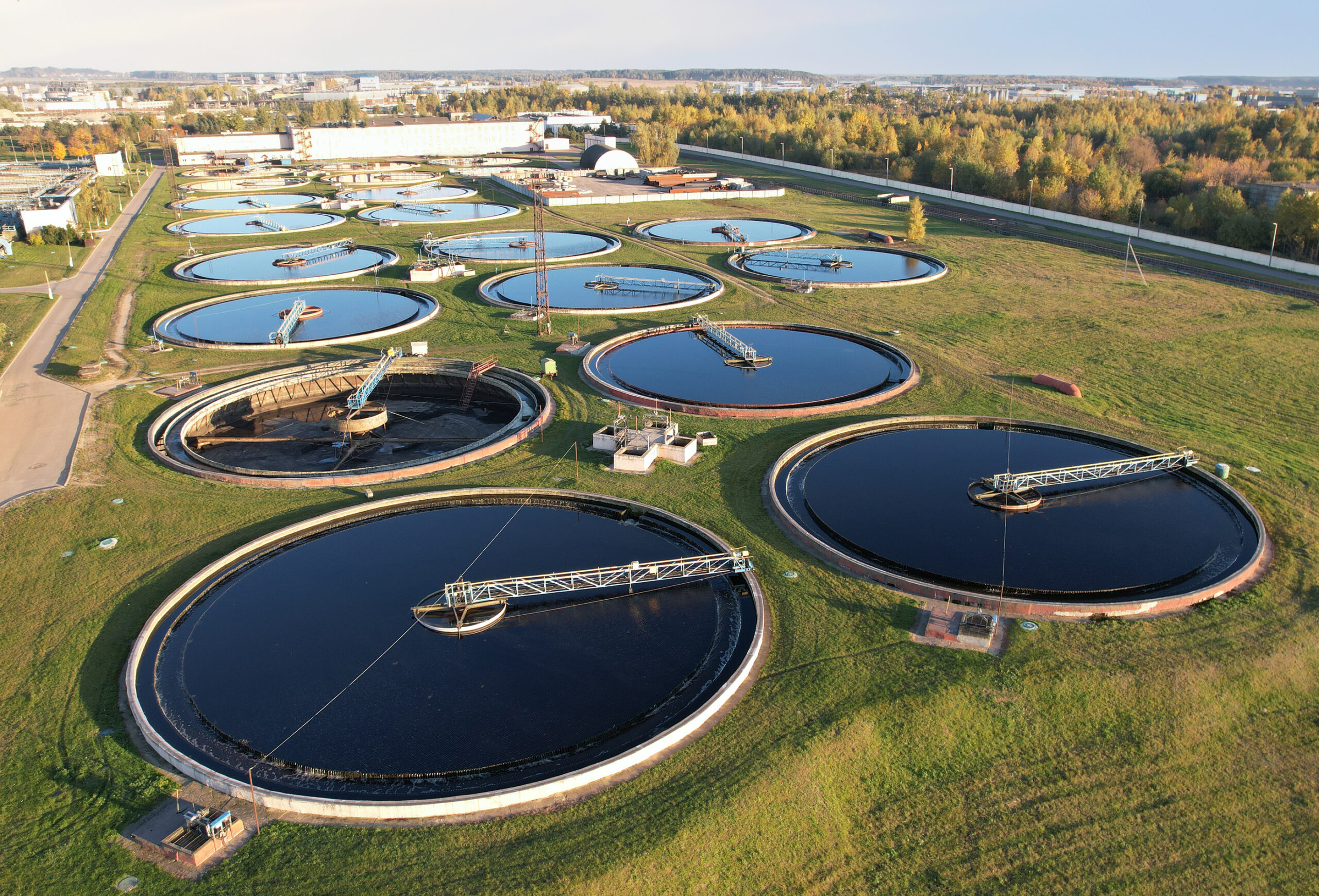
Water Desalination Plant Protection
Water Desalination Plant Protection Overview: Freshwater availability is increasingly recognized as a strategic national security issue. In many


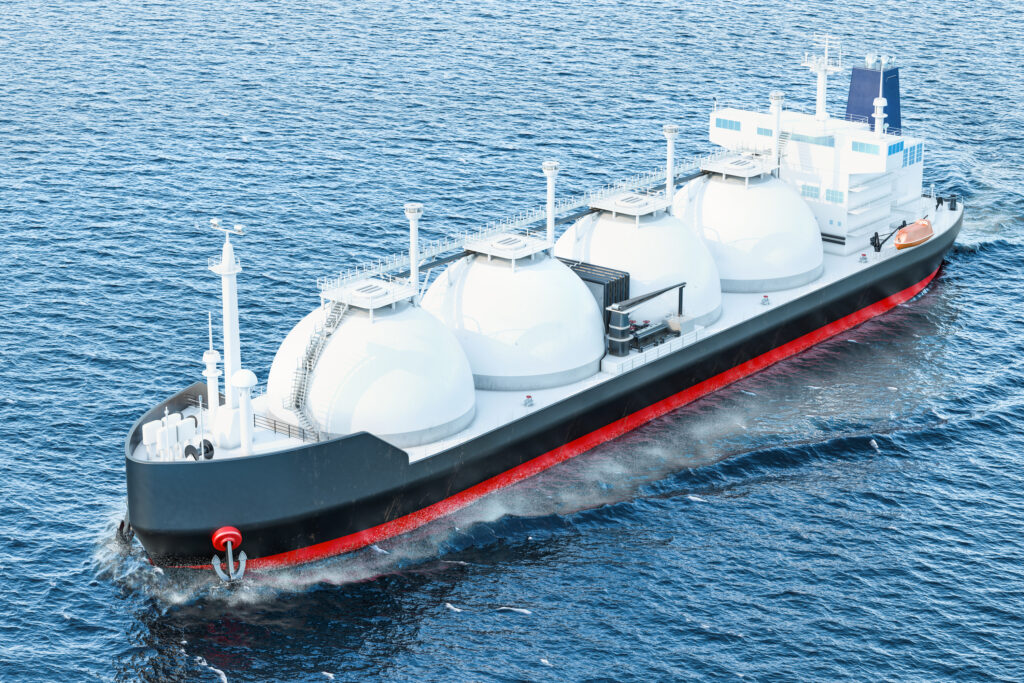
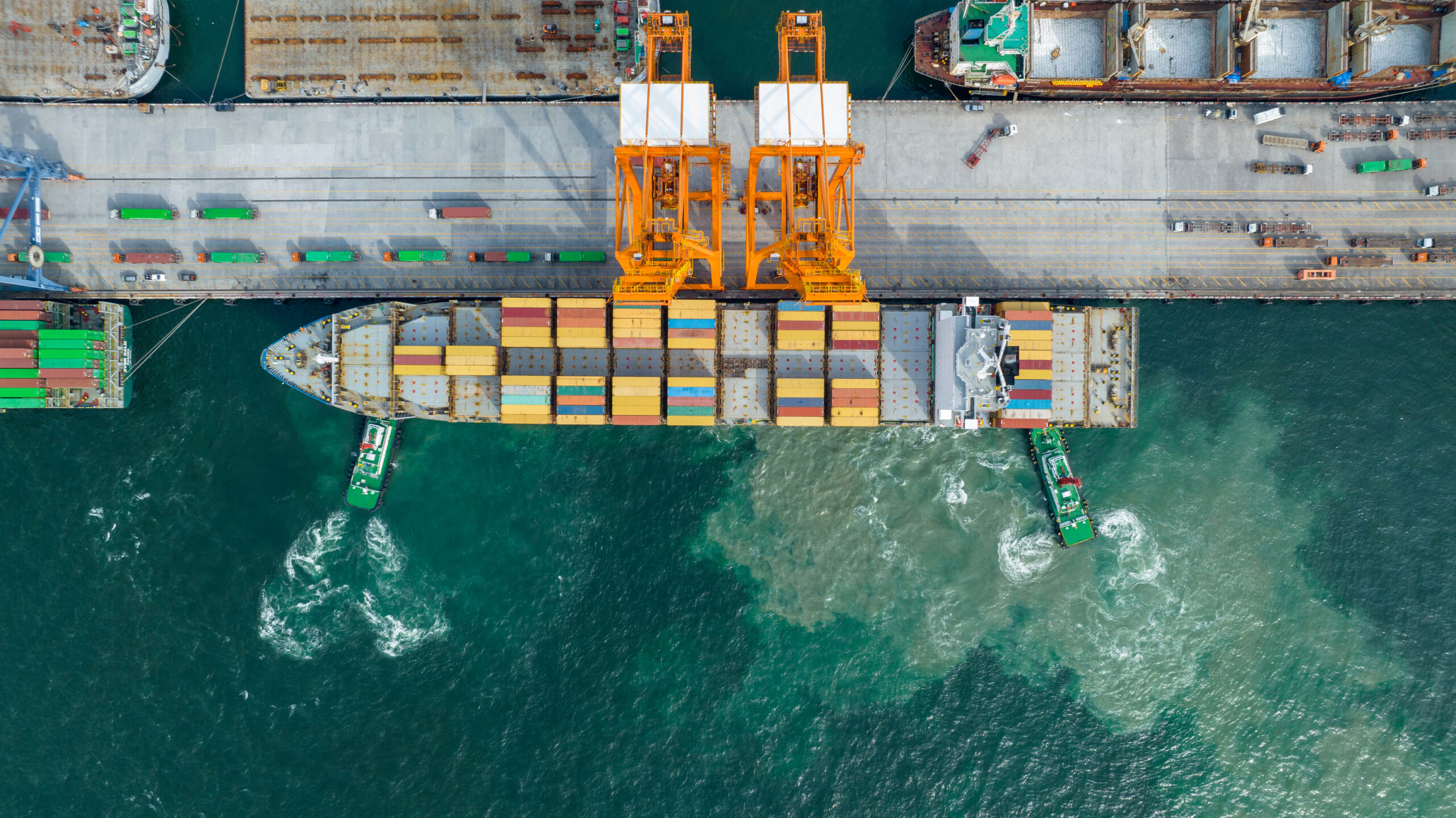
Liquefied Natural Gas (LNG) has become a cornerstone of global energy security, with LNG carriers transporting vast quantities of natural gas across increasingly complex maritime environments. As geopolitical tensions, asymmetric threats, and maritime security challenges continue to evolve, protecting LNG vessels, terminals, and associated infrastructure has become a strategic priority for governments, navies, port authorities, and energy operators.
This course provides defense, maritime security, and energy professionals with a comprehensive understanding of the security challenges associated with LNG shipping operations. Participants will explore integrated protection strategies covering vessel security, port facilities, coastal infrastructure, cargo transfer operations, and maritime approaches while addressing physical, cyber, underwater, and hybrid threats.
Combining international regulations, operational best practices, and lessons learned from recent global incidents, the program equips participants with practical knowledge to safeguard LNG shipping throughout its operational lifecycle—from departure and transit to port arrival and cargo discharge.
Designed for naval personnel, coast guards, port security authorities, LNG operators, and critical infrastructure professionals, this course emphasizes proactive risk management and coordinated maritime security operations to ensure the uninterrupted movement of one of the world’s most valuable energy resources.
Global demand for LNG has expanded significantly in recent years, making LNG shipping routes and receiving terminals essential components of national energy strategies. A successful attack on an LNG carrier or terminal could disrupt regional energy supplies, damage critical infrastructure, create significant environmental consequences, and undermine economic stability.
Modern threats extend far beyond conventional piracy. LNG vessels may be exposed to unmanned aerial systems (UAS), unmanned surface vessels (USVs), underwater sabotage, cyberattacks against navigation and cargo systems, insider threats, terrorism, and coordinated hybrid operations.
Because LNG vessels operate in international waters, congested shipping lanes, and strategically sensitive ports, effective protection requires close cooperation between naval forces, coast guards, port authorities, intelligence agencies, and commercial operators.
This course enables participants to develop comprehensive security strategies that ensure safe navigation, secure cargo operations, and resilient port infrastructure under both routine and crisis conditions.
LNG Industry Fundamentals | Maritime Threat Assessment | Port and Terminal Security | International Standards and Regulations |
|
|
|
|
Participants will engage in realistic security planning exercises focused on protecting LNG carriers and associated maritime infrastructure against evolving threats.
Practical exercises include:
Scenario-based exercises simulate complex incidents requiring coordinated decision-making between naval forces, port authorities, terminal operators, emergency services, and government agencies.
Kuantum provides advanced Critical Infrastructure Protection training by combining military expertise, international best practices, and operational experience. Through scenario-based learning and real-world case studies, participants develop practical strategies to strengthen resilience, protect critical assets, and ensure operational continuity in today’s evolving security environment.
Water Desalination Plant Protection Overview: Freshwater availability is increasingly recognized as a strategic national security issue. In many
Sea Mine Counter Measures Overview: Naval mines remain one of the most effective and cost-efficient weapons in maritime
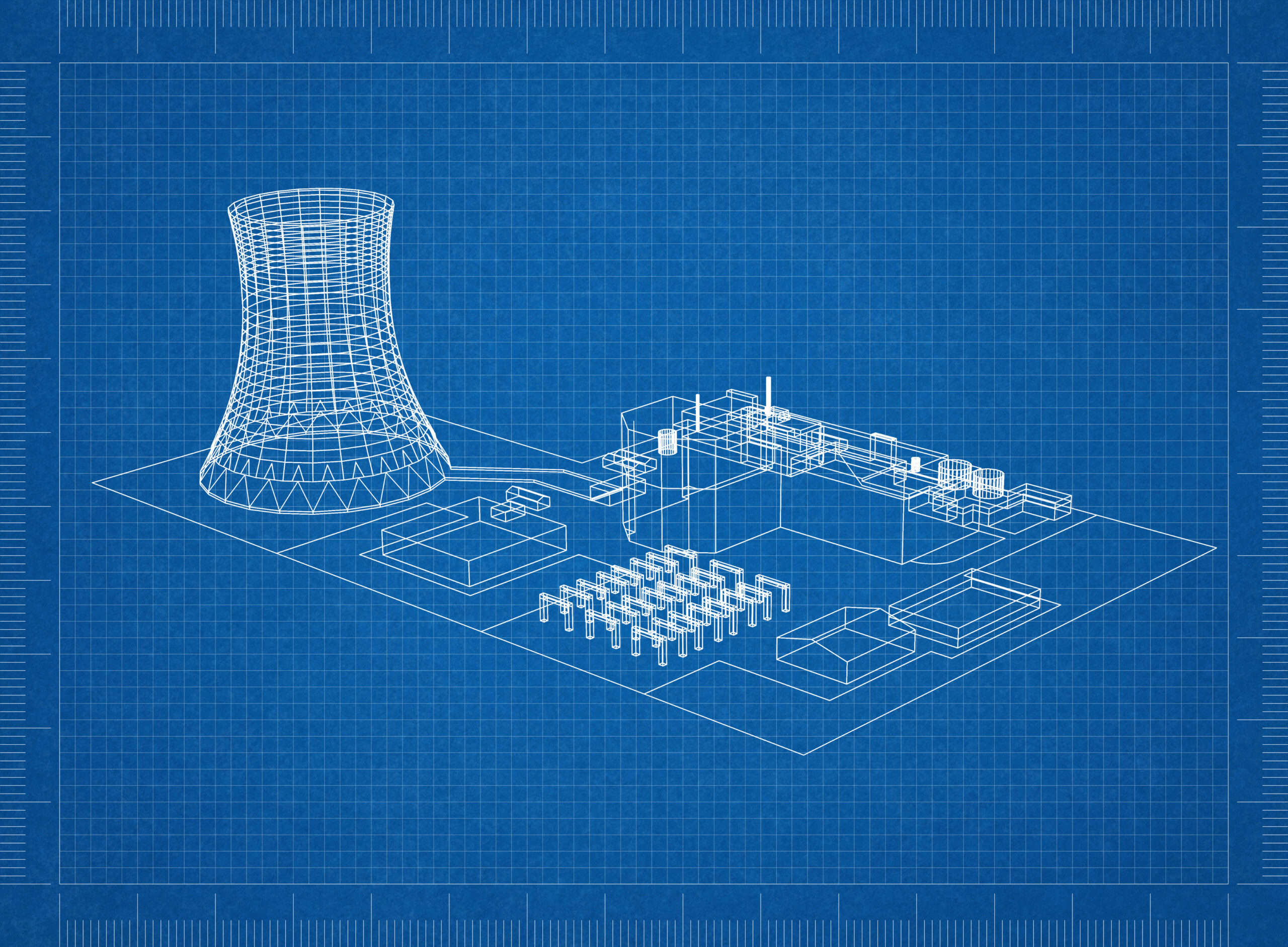
Power Plant Protection Overview: Power generation facilities are among the most critical assets supporting national security, economic stability,
Maritime Domain Awareness and Underwater Threat Detection Overview: The maritime domain has become one of the most strategically