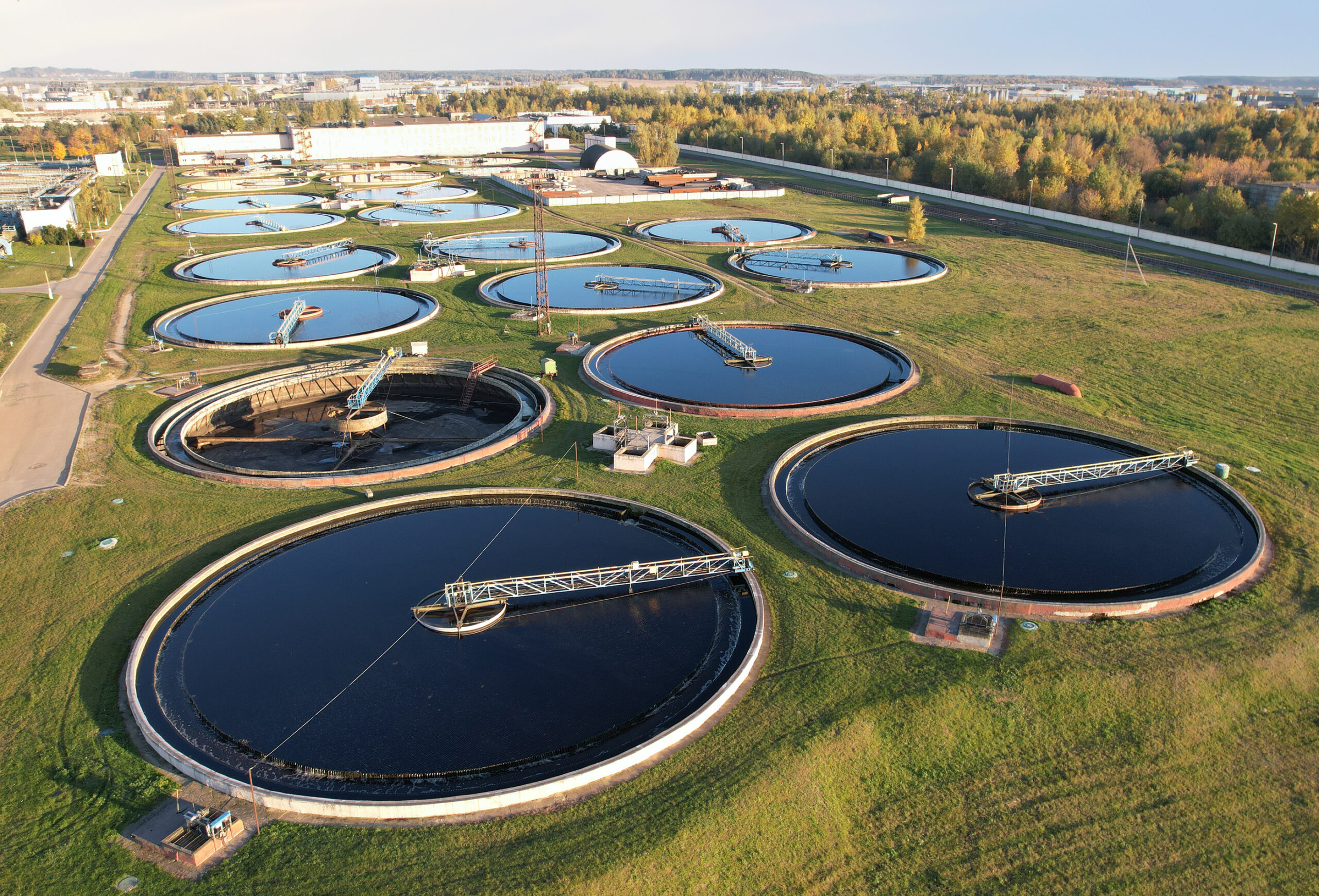
Water Desalination Plant Protection
Water Desalination Plant Protection Overview: Freshwater availability is increasingly recognized as a strategic national security issue. In many

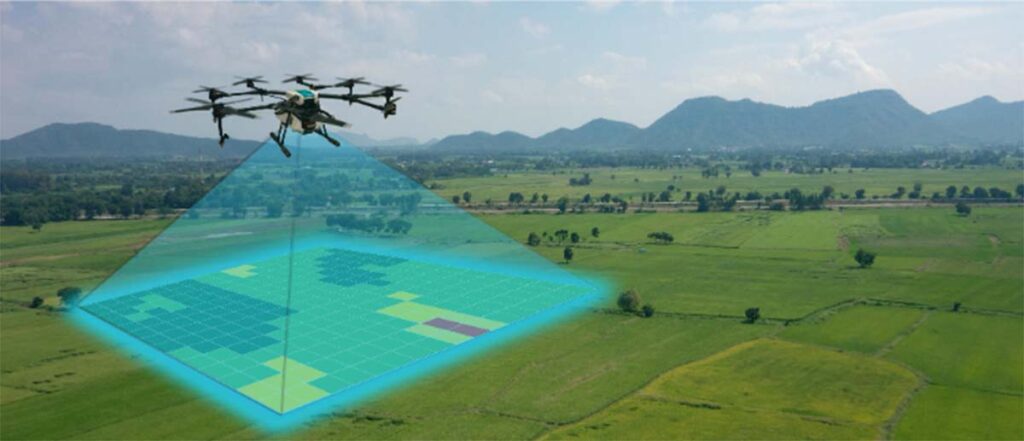
The rapid proliferation of unmanned aerial systems (UAS) has fundamentally transformed the modern battlefield. Once limited to reconnaissance, drones are now routinely employed for intelligence gathering, precision strikes, electronic warfare, logistics support, and coordinated swarm attacks against military installations and critical infrastructure.
This course provides military personnel and security professionals with a comprehensive understanding of contemporary Counter-UAS (C-UAS) operations, integrating advanced detection technologies, layered defensive strategies, electronic warfare techniques, and operational procedures for protecting military bases and strategic assets.
Participants will examine the complete Counter-UAS operational cycle—from threat identification and risk assessment to detection, tracking, identification, engagement, and post-incident analysis. Through operational case studies and practical exercises, attendees will learn how to establish resilient, multi-layered defense systems capable of countering both conventional and emerging drone threats.
Designed for military commanders, force protection units, air defense personnel, security planners, and critical infrastructure operators, the program emphasizes practical solutions that can be adapted to a wide range of operational environments.
Commercially available drones have become inexpensive, widely accessible, and increasingly capable. Non-state actors, terrorist organizations, and state adversaries alike have demonstrated the ability to employ unmanned systems for reconnaissance, kinetic attacks, electronic disruption, and psychological operations.
Recent conflicts have shown that even relatively low-cost drones can inflict disproportionate operational and economic damage when employed against airbases, ammunition depots, command centers, fuel storage facilities, naval bases, and critical infrastructure.
Traditional air defense systems were not designed to detect or defeat small, slow-moving, low-flying aerial platforms. Effective Counter-UAS operations therefore require an integrated approach that combines radar, electro-optical sensors, radio frequency detection, acoustic monitoring, artificial intelligence, electronic warfare, and kinetic response capabilities.
Participants will gain the knowledge necessary to design comprehensive Counter-UAS concepts that enhance force protection while minimizing operational disruption.
Drone Threat Landscape | Counter-UAS Technologies | Detection, Tracking & Identification | Electronic Warfare |
|
|
|
|
Participants will take part in realistic operational scenarios involving the detection and response to drone incursions against military installations and strategic facilities.
Practical exercises include:
Tabletop exercises challenge participants to coordinate intelligence, surveillance, air defense, communications, and security assets under time-sensitive operational conditions.
Kuantum provides advanced Critical Infrastructure Protection training by combining military expertise, international best practices, and operational experience. Through scenario-based learning and real-world case studies, participants develop practical strategies to strengthen resilience, protect critical assets, and ensure operational continuity in today’s evolving security environment.
Water Desalination Plant Protection Overview: Freshwater availability is increasingly recognized as a strategic national security issue. In many
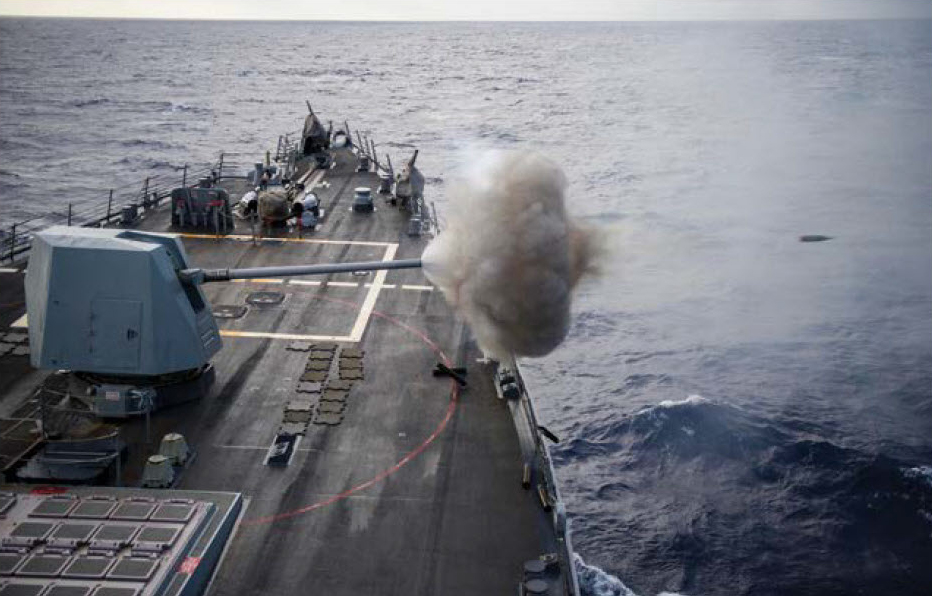
Sea Mine Counter Measures Overview: Naval mines remain one of the most effective and cost-efficient weapons in maritime
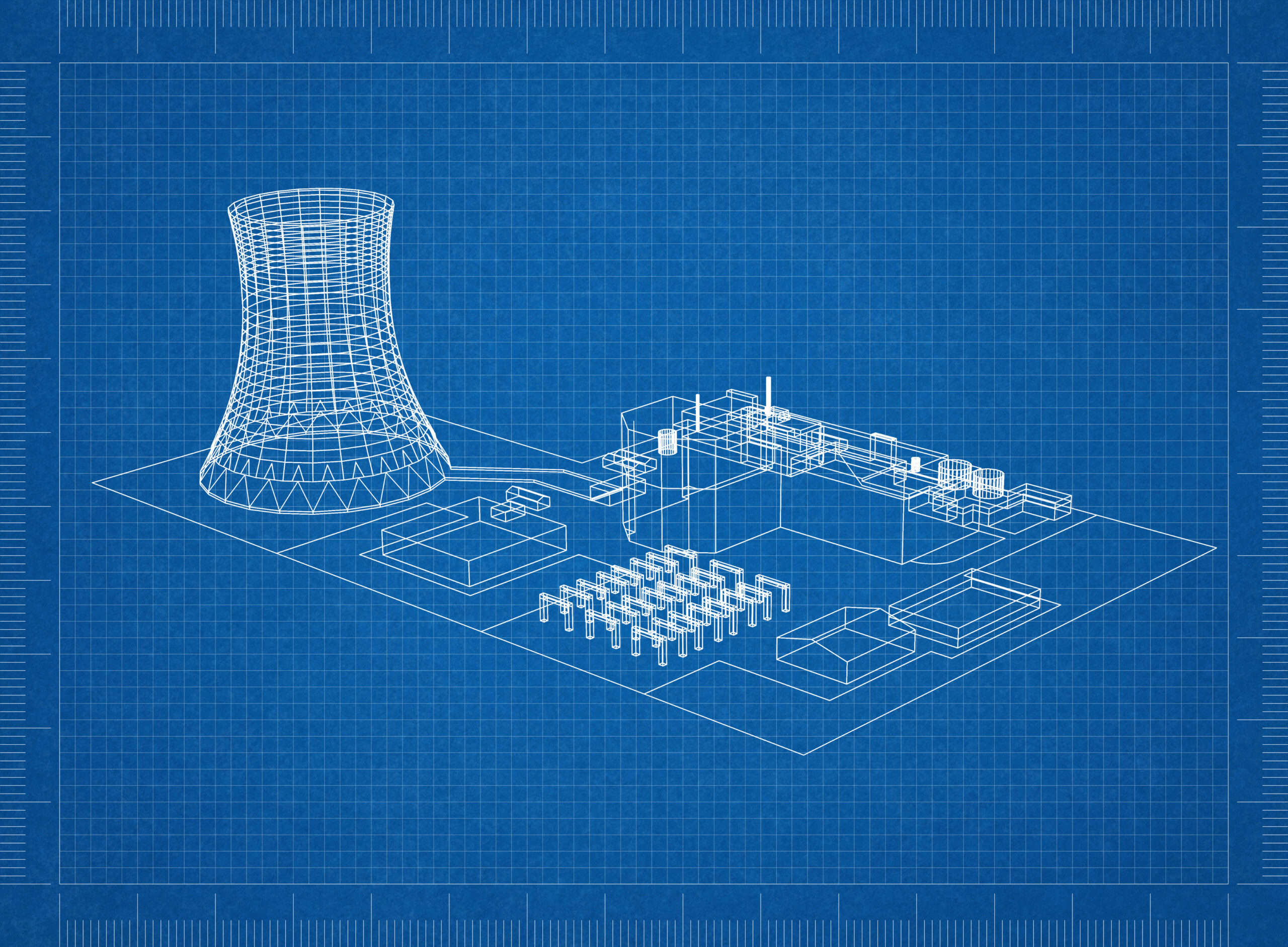
Power Plant Protection Overview: Power generation facilities are among the most critical assets supporting national security, economic stability,

Maritime Domain Awareness and Underwater Threat Detection Overview: The maritime domain has become one of the most strategically